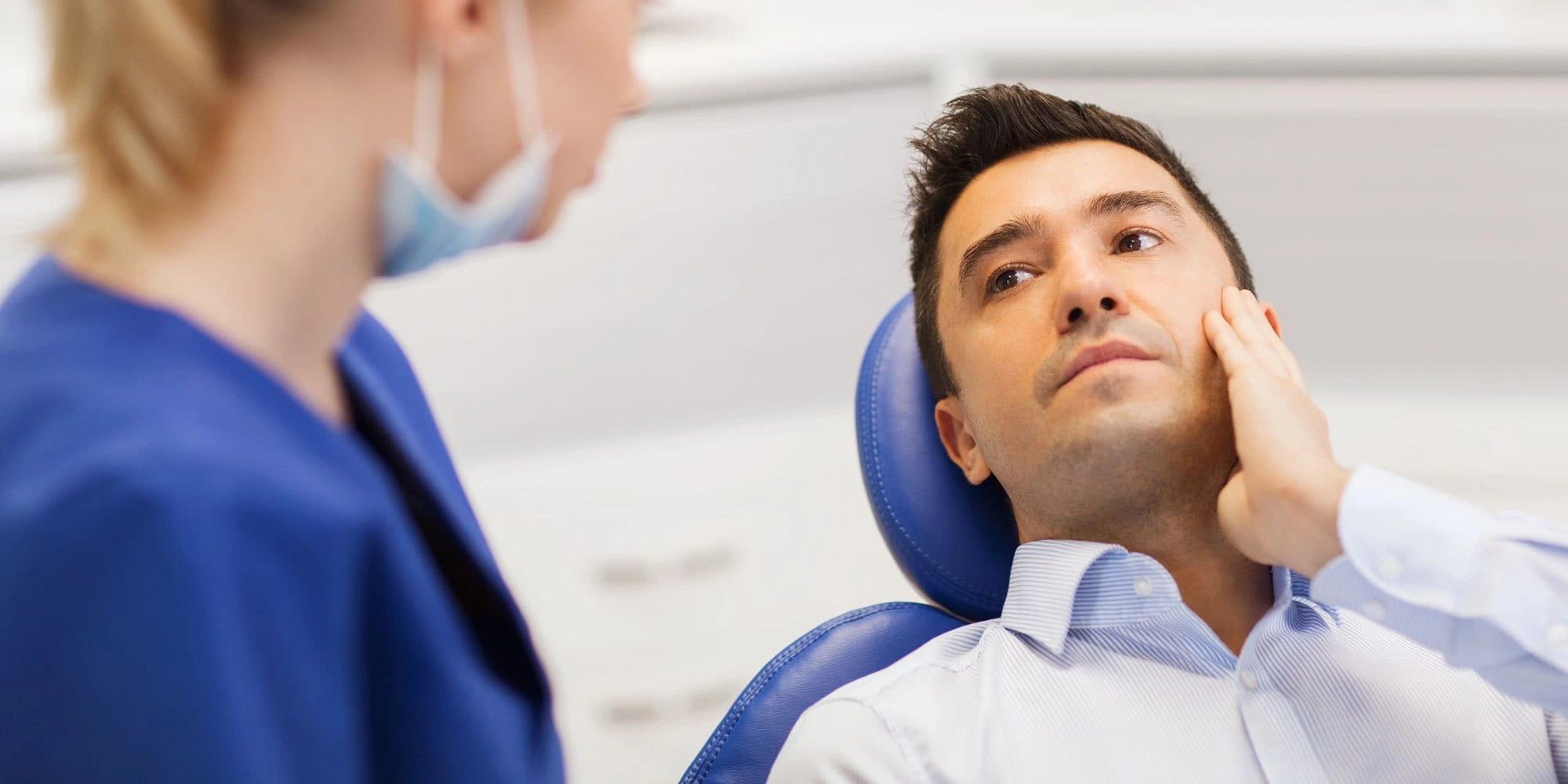
Ask ten patients on Coney Island Ave what scares them most about the dentist, and equipment rarely comes up. What comes up is not knowing what’s happening. Not understanding the plan. Not knowing what it’ll cost until the bill shows up.
That’s the real gap in South Brooklyn, where whole blocks of Brighton Beach and Sheepshead Bay speak English, Russian, German, or Ukrainian at home first and English second. A dentist can own the newest scanner in Brooklyn. If the person sitting across from you can’t explain what it found, in words you actually understand, none of that technology helps.
A lot of patients here grew up somewhere else, somewhere the dentist didn’t explain much of anything. You sat down, the drill started, and you found out what happened when it was over. Move to a new country and that instinct doesn’t just go away. It shows up again the moment a Brooklyn dentist rushes through an exam in English only and moves on to the next chair.
Why do so many patients feel lost at the dentist?
A patient who feels lost usually isn’t confused by the treatment itself. They’re confused because nobody stopped to explain it. Root canals sound awful right up until someone breaks the whole thing into three plain steps.
Dental offices run on words that mean nothing outside a dental office. Periodontitis. Occlusion. Abutment. A dentist who cares about you translates each one the second it comes up in conversation. A dentist who’s just trying to get through the schedule skips that part entirely.
Now add a second language into the mix. You’re not just hearing unfamiliar medical terms. You’re hearing them in your second or third language, mouth half numb, under office lighting, trying to keep up. That’s genuinely hard, and it has nothing to do with how smart or capable someone is.
Here’s the part most people don’t expect: this isn’t just an inconvenience. It has real consequences. Patients who don’t fully follow their own treatment plan skip the home care steps, skip the follow-up, and often come back later with something worse and more expensive to fix.
What changes when a dentist actually communicates well?
Everything changes, honestly. Whether you understand your own mouth. Whether you follow through on the plan. Whether you trust this dentist enough to come back before a small cavity turns into a root canal.
A visit where communication works looks different in small ways you might not even clock at the time. The dentist points at your actual x-ray instead of describing it from memory. They walk through your options starting with the simplest one, not the most expensive one. Somewhere before any drilling starts, you hear a real number, not a vague estimate. And instead of the usual “any questions?” tossed out the door, someone checks that you genuinely followed what they said.
None of that needs special machinery. It needs a dentist willing to slow down, and a team that can talk to you comfortably in whatever language you actually think in.
At Trump Village Dental, patients get their treatment plan explained step by step in English, Russian, German, or Ukrainian, so nothing gets lost between the exam chair and the front desk.
Isn’t the newest equipment supposed to fix this?
Not really, and here’s why. A scanner can find a cavity in about four seconds flat. A 3D imaging system can map your entire jaw down to the millimeter. All of that is genuinely useful. None of it, on its own, tells you in plain words what the scan found or what you’re supposed to do next.
Picture two Brooklyn offices next door to each other. One has the newest imaging setup in the neighborhood, run by a dentist who talks fast and moves to the next patient. The other has solid, dependable equipment and a dentist who sits down, shows you the actual image, and walks through what it means for you specifically. Patients trust the second office more. And trust, more than anything else, is what gets someone to actually finish a treatment plan instead of vanishing after one visit.
Equipment finds the problem. A conversation gets it fixed. Overdue for a checkup? Our general dentistry is the right place to start.
Do you actually need a English, Russian, German, or Ukrainian speaking dentist?
If English isn’t your strongest language, yes, probably. A dentist who explains treatment in your native language removes the single biggest obstacle in dental care: not understanding your own mouth. That’s not about intelligence. It’s about comfort, plain and simple.
South Brooklyn holds one of the largest Russian, German, and Ukrainian speaking populations anywhere in New York City, and Sheepshead Bay’s German community keeps growing too. Plenty of local dental offices know this and still don’t staff for it. So patients bring a relative along to translate, and suddenly a teenager or a spouse is making medical decisions they never signed up to make. If Ukrainian is your first language, here’s how to find a Ukrainian-speaking dentist in Brooklyn.”
An office that speaks your language directly changes that whole dynamic. You ask your own questions. You hear the answer straight from the dentist, not secondhand through someone guessing at unfamiliar vocabulary.
Trump Village Dental’s front desk and clinical staff communicate directly in English, Russian, German, or Ukrainian. See how every visit works with our multilingual dentist in Brooklyn. with support available for German speaking patients too. Nobody has to show up with their own interpreter.
That same clear communication matters even more for older patients, which is why we wrote a separate guide for immigrant families bringing an elderly parent to the dentist walking through language support, mobility, and insurance questions specific to seniors.
Why does this matter even more for older patients?
Fear of pain, and fear of a surprise bill, usually beat out fear of the actual dental work. Clear communication handles both before treatment even starts.
This shows up constantly with implant patients over 50. A lot of these patients came up in a healthcare system that didn’t explain much, where bills just appeared. When a Brooklyn dentist sits a 60-year-old down and walks through exactly what an implant procedure involves, in a language they’re genuinely comfortable in, the fear tends to drop off fast.
Take Osseo integration, the process where an implant fuses to your jawbone over several months. Said that way, it sounds clinical and a little scary. Said plainly, as “the implant basically becomes part of your bone, so it holds like a real tooth does,” it stops being frightening at all.
Cost works the same way. Hear a real number, in your own language, before anything starts, and you trust it. Get a vague answer and a bill later, and trust in the whole office takes a hit that’s hard to repair.
A quick checklist before choosing a dentist near Coney Island Ave
| What to check | Why it actually matters |
|---|---|
| Do they speak your home language, or just hand you a translated pamphlet? | A pamphlet can’t answer your follow-up question |
| Do they show you your actual x-ray or scan? | Mid-rangeSeeing it yourself builds real understanding, fastMid-range |
| Do they quote a price range before starting? | Keeps surprise bills from showing up later |
| Do they explain each step before doing it? | Cuts down fear, builds trust over repeat visits |
| Are their hours compatible with your work schedule? | None of this helps if you can’t get in the door |
What if a past dentist visit went badly?
Most bad dental experiences come down to one thing: feeling unheard. Not the treatment itself. A dentist who actually listens first can rebuild that trust in a single appointment, and it usually doesn’t take long once someone finally explains things clearly.
Say it out loud to your new dentist. Tell them what went wrong before. A decent office slows down, explains more, and checks in more often with a patient who’s had a rough history. That’s not special treatment. That’s just what good dental care is supposed to look like. And if something’s already gotten painful, don’t tough it out and wait. Emergency care exists so a delayed visit doesn’t turn into something worse.
Want to talk to someone who’ll actually explain things clearly? Reach out us and book a visit in whichever language you’re most comfortable in.
Frequently Asked Questions
Yes. Staff communicate directly in Russian, so patients can go over treatment, pricing, and paperwork without needing a relative to translate.
Yes. Patients can review their diagnosis, options, and costs in Russian, directly with clinical staff, before agreeing to anything.
Yes. Trump Village Dental offers staff support for German speaking patients, so explanations don’t get lost in translation.
Equipment finds a problem accurately. Only a real conversation gets a patient to actually understand it, trust the plan, and follow through on time.
Just bring a list of past dental issues and any medications. Skip the translator. Staff can walk you through everything directly, in the language you are comfortable in.